 Calix
Single-Leg Soft-Landing Holds
Description
Single-leg soft-landing holds are exercises that focus on balance and stability by landing softly on one leg and holding the position. This exercise helps improve proprioception and can be beneficial for rehabilitation and athletic training.
OverviewSingle-leg soft-landing holds are exercises designed to enhance balance, stability, and proprioception. They involve landing softly on one leg and maintaining that position for a brief period. This exercise is particularly useful in rehabilitation settings and for athletes looking to improve their performance.
Benefits- Improves balance: Enhances stability by training the body to control weight distribution on one leg.
- Enhances proprioception: Increases awareness of body position, which is crucial for injury prevention.
- Supports rehabilitation: Helps individuals recover from lower-limb injuries by strengthening muscles and improving joint stability.
- Preparation: Stand on a stable surface or a box.
- Takeoff: Step off the box or surface with one leg, ensuring that you do not jump.
- Landing: Land softly on the target leg, allowing the knee and hip to bend slightly.
- Hold position: Maintain balance in the landed position for up to 2 seconds.
- Reset: Return to the starting position and repeat.
- Keep your chest up and engage your core for better stability.
- Ensure your knee aligns with the midline of your foot during landing.
- Focus on a controlled descent to minimize impact.
Incorporating single-leg soft-landing holds into your training routine can significantly enhance your balance and stability, making it a valuable exercise for both rehabilitation and athletic performance.
Muscles
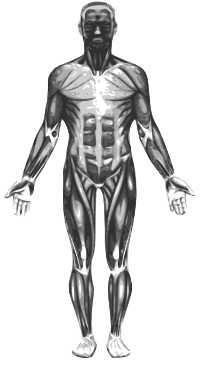
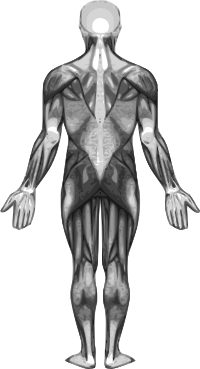
No muscle data for this exercise.
Similar exercises
Build your plan with Calix
Calix's AI coach builds your workout and meal plan, and you log your training. Free on Android and iPhone.
Description and images from the open wger exercise database, licensed CC BY-SA 4.0 (authors: aboksz). Translations by Calix are shared under the same license. Muscle diagrams: wger project (AGPL-3.0).